How Users Actually Discover Products in 2026
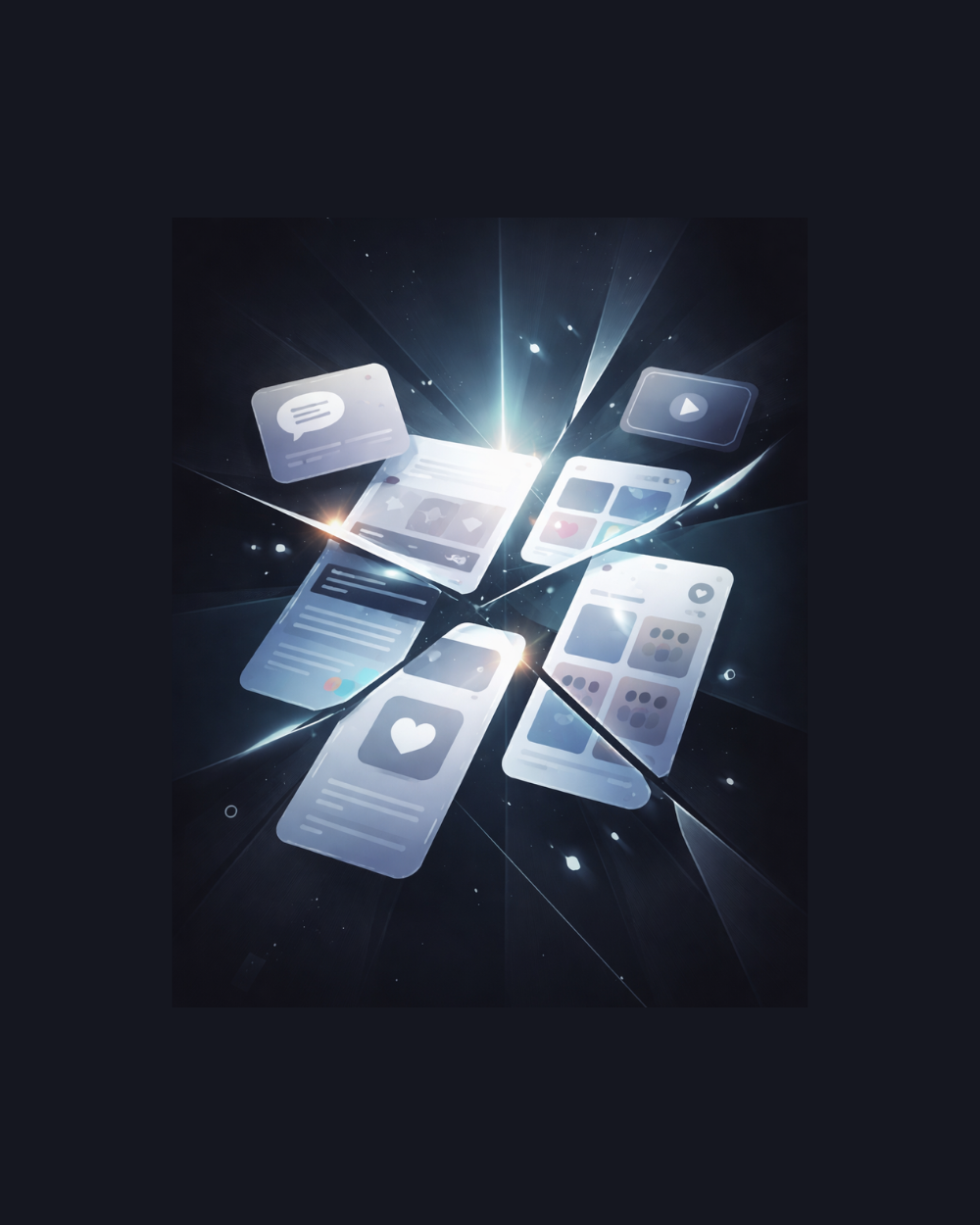
For years, search meant one thing: Google. Users typed a query, scanned blue links, and clicked their way to a decision. That model still exists—but it no longer tells the full story. In 2026, discovery is fragmented. Users don’t just search—they scroll, ask, watch, and compare across platforms. Google, TikTok, AI assistants, and marketplaces now share the role search engines once dominated..
Search isn’t dead. But it’s no longer the center of the universe.
Table of contents:
How Traditional Search Changed
Google still matters—but its role has shifted. Users now expect instant answers, summaries, and recommendations instead of long result pages. Featured snippets, AI overviews, and zero-click results mean many searches never lead to a website visit at all.
Search has moved from exploration to confirmation.
People often arrive at Google after they’ve already discovered a product elsewhere—using it to validate pricing, reviews, or legitimacy rather than to discover something new.
Social Platforms as Search Engines
TikTok, Instagram, and YouTube are no longer just content platforms—they are discovery engines. Users search directly inside social apps for:
Product reviews
“How-to” videos
Real-world experiences
Quick comparisons
Short-form video has replaced blog posts for early-stage discovery. Instead of reading ten articles, users watch three videos and decide.
Discovery now happens in feeds, not result pages.
AI and Generative Discovery
AI assistants have changed how users ask questions—and how answers are delivered.
Instead of searching where to buy, users ask what should I buy. Instead of comparing tabs, they expect summaries.
AI systems don’t show everything. They select.
This shifts visibility from ranking pages to being referenced, summarized, and recommended. Brands that are clear, authoritative, and trusted become part of the answer—others disappear entirely.
Marketplaces and Zero-Click Decisions
For many users, the search journey starts and ends inside marketplaces. Amazon, app stores, and delivery platforms are often the final destination—and sometimes the only one. Users discover products through:
Best-seller lists
Reviews and ratings
Algorithmic recommendations
In these environments, there is no traditional search funnel. Decisions happen quickly, often without visiting a brand’s website at all. Discovery and conversion happen in the same place.
What This Means for Businesses
Being “searchable” is no longer enough. Modern discovery requires presence across multiple discovery layers:
Traditional search for credibility and validation;
Social platforms for awareness and influence;
AI systems for recommendations and summaries;
Marketplaces for conversion-ready users.
The brands that win in 2025 don’t chase one channel—they design for the entire discovery ecosystem.
Final Thoughts
Search isn’t dead.
It’s decentralized.
Users now discover products through a mix of scrolling, asking, watching, and trusting algorithms. Businesses that cling to a Google-only mindset risk becoming invisible where decisions actually happen.
The future belongs to brands that understand one truth:
Discovery happens everywhere— and optimization must follow.
 Let's talk about your project!